

Repiping and cast iron drain replacement in West Park, FL
If leaks keep turning up in new spots, or the drains under your slab are old cast iron, patching stops being the answer. Call (954) 837-9630, describe the house and its trouble, and we look at the supply and drain lines to tell you whether a full or partial replacement makes sense.
- Whole-house or partial repipe
- Cast iron drain replacement
- Florida license CFC1433655
Two different systems, two different reasons to replace them
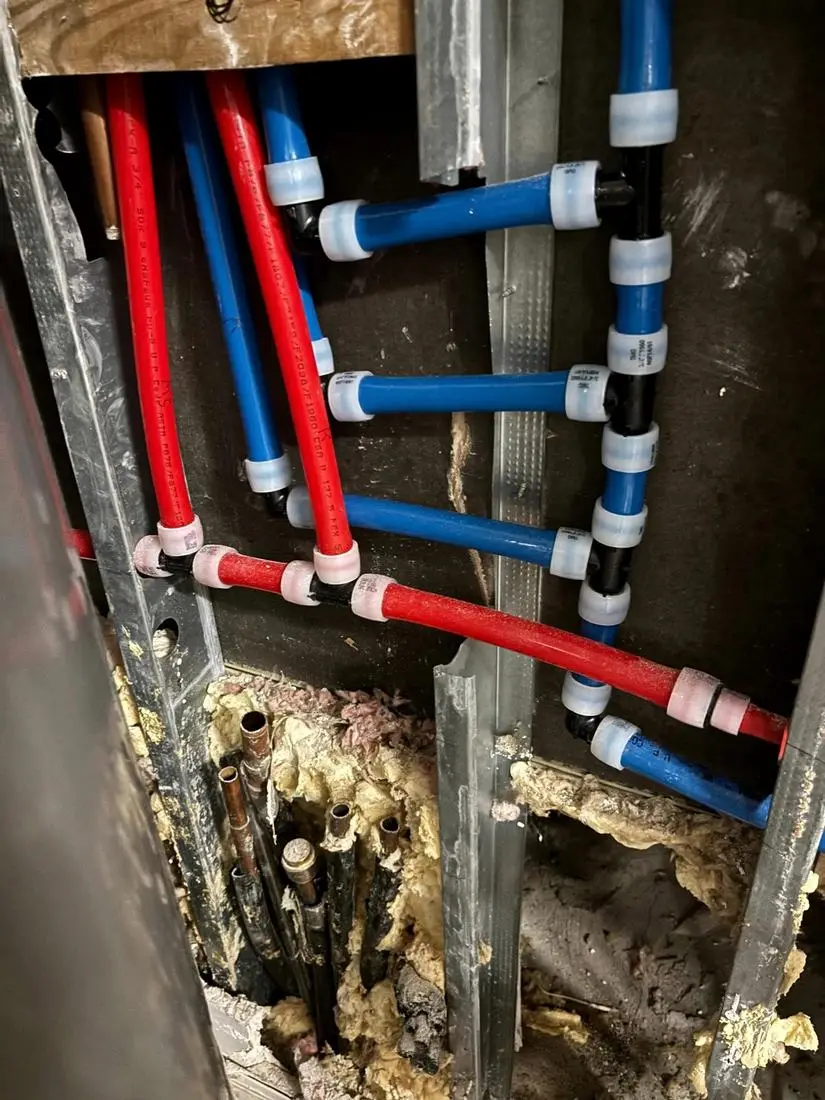
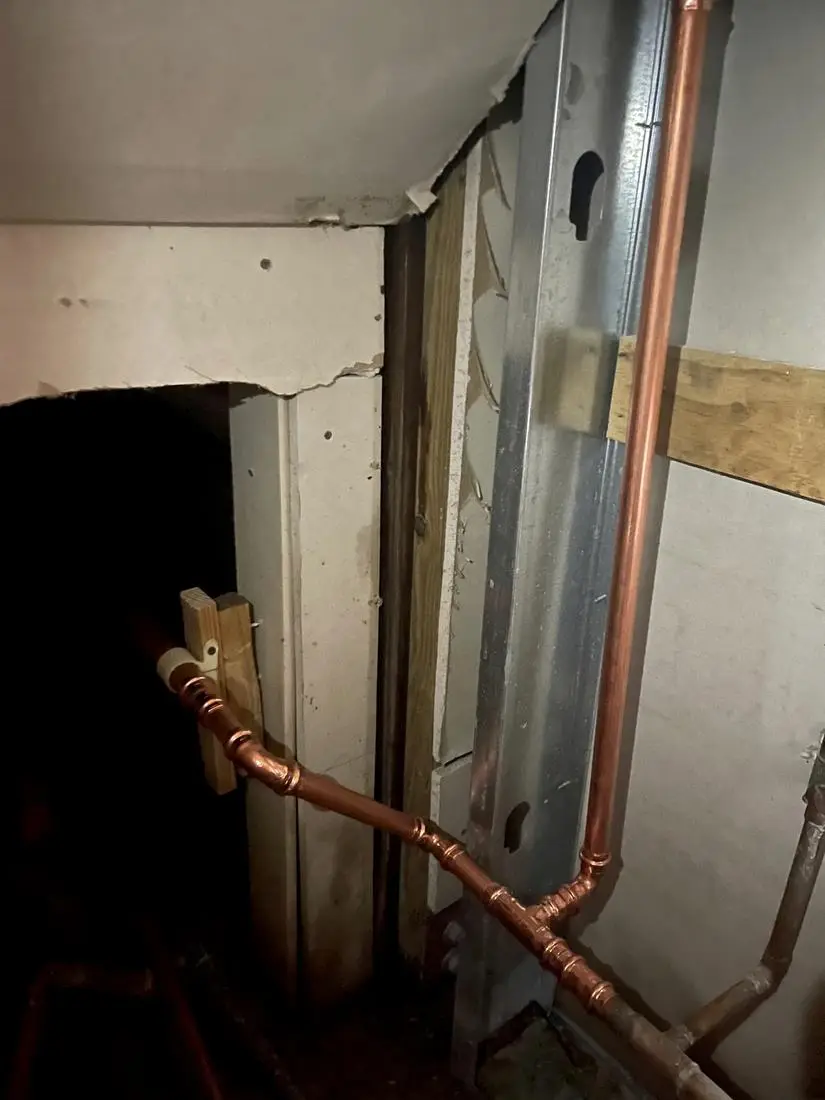
A house has supply lines that carry pressurized water to every fixture, and drain lines that carry waste out by gravity. Repiping usually means the supply side: old copper or galvanized steel swapped for new pipe, often PEX or copper, run out to each fixture.
The drain side is a separate story. Many older homes in south Broward and north Miami-Dade were built with cast iron drains under the slab. Over decades the inside scales up and the bottom of the pipe can rot through, so waste starts seeping into the soil under the house, or roots find their way in.
What you get when we handle Repiping
Full repipe or just the failing sections
If the trouble is limited to one branch, such as the kitchen or one bathroom group, replacing that part can be the sensible step. You’ll hear which applies to your house.
New lines routed to keep openings small
Supply lines can often be run through the attic and dropped down inside the walls, which keeps the new pipe out of the slab and the number of openings manageable.
Drain lines checked on camera first
Before anyone proposes cast iron replacement, the drain is inspected with a camera so you can see the cracks, scale or holes for yourself.
One license on the whole job
Repipes and drain replacements are done under Florida plumbing contractor license CFC1433655, from the first cut to the final connection.
How worn supply lines give themselves away
One leak is a repair. The pattern that points to a repipe looks like this: a pinhole in one wall in spring, another in a different room by fall, water that comes out tinted after the house sat empty for a weekend, and pressure that feels weaker everywhere than it used to.
Crusty green or white spots on exposed copper under sinks and around the water heater tell the same story from the outside.
What a cast iron drain problem looks like
Drains that back up again a few weeks after being cleared, a sewer smell in one bathroom, slow drains across the whole house, or a camera showing the bottom of the pipe worn into a channel. Cast iron rarely fails in one dramatic break; it scales, cracks and wears through until it can’t carry waste cleanly.
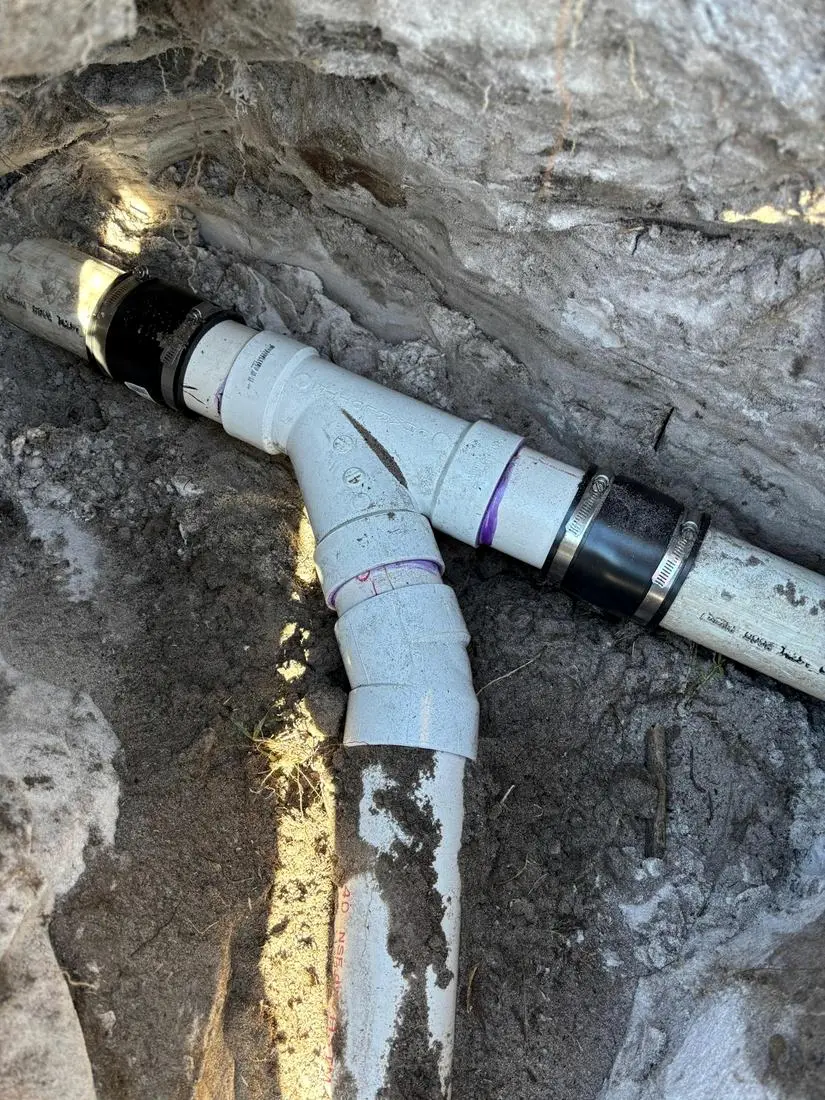
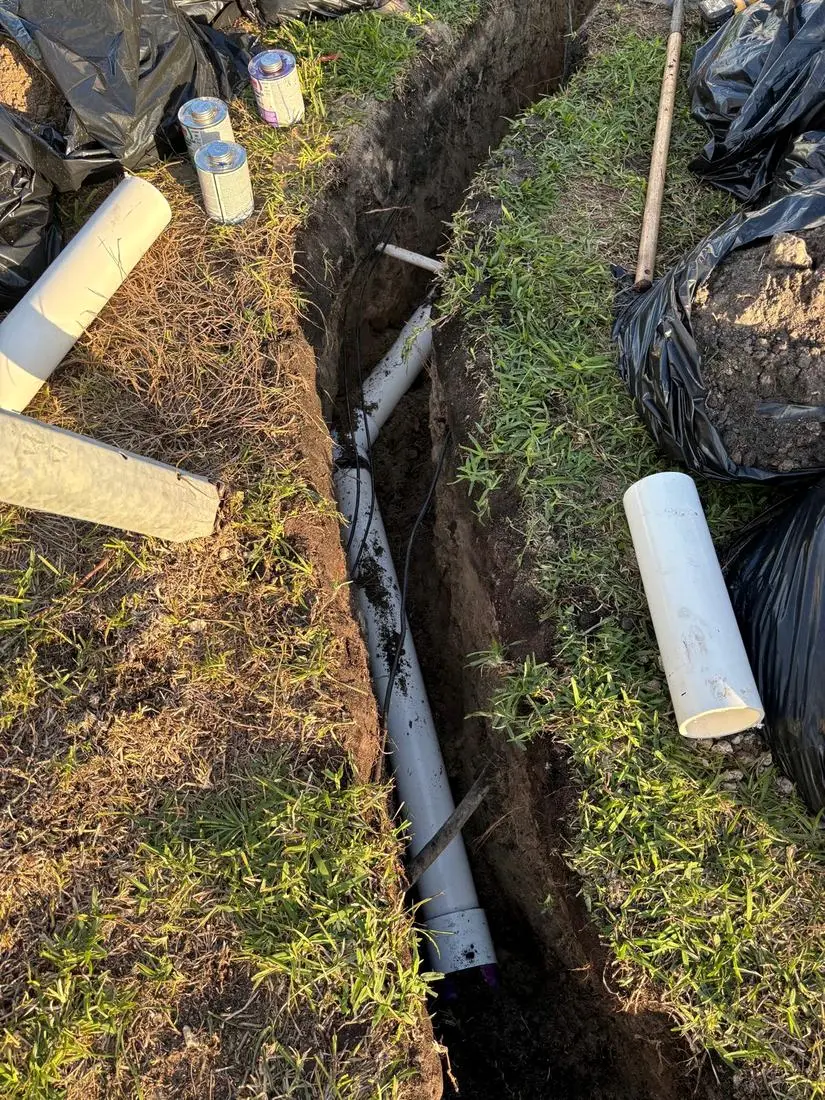
Replacement usually means opening the floor along the drain run and joining new PVC to the sound pipe at each end. How much has to be opened depends on what the camera shows, and you see that footage before deciding anything.
What the walls look like afterward
Openings are cut where new pipe has to pass, usually neat rectangles near fixtures and along the route from the attic, left clean and square for patching. Ask before work starts which ones your house will need.
What customers wrote on Google
5.0 on Google from 2 reviews.as of Read every review on Google
When I noticed water pooling under the sink, I wasn't sure what to do. The plumber arrived, took time to walk me through the issue, and handled the repair with real professionalism. He made sure I understood everything and left my place in better shape than when he arrived. I'd definitely call them again if I need plumbing work.
Had a drain backup that was driving me crazy. These guys showed up, figured out what was going on, and got it sorted out pretty quickly. No drama, just good work.
The team really knew their stuff. They found the source of the leak, fixed it properly, and left everything clean. I'm so glad I called them.
A selection of our 5-star reviews on Google.
Repiping & Cast Iron Replacement: questions we hear
PEX or copper: which is better for a repipe?
Both work well when installed right. PEX is flexible, needs fewer fittings and is easier to route through finished walls. Copper is rigid and has a long track record. Near the coast, PEX also sidesteps the corrosion copper suffers outdoors in salt air. You choose after hearing the tradeoffs.
Can you repipe without breaking the slab?
Usually, yes, for the water lines. Running new supply pipe through the attic and down the walls leaves the old lines under the slab in place, disconnected. Drain lines are different because they depend on gravity, so replacing cast iron often does mean opening the floor.
How do I know if my house has cast iron drains?
Look at the cleanout or any drain pipe you can see in the garage or a utility closet. Cast iron is dark, heavy and rings when tapped; newer drains are white or black plastic. Older homes in this area often still have cast iron running under the slab.
Do I have to replace all the cast iron at once?
Not always. If the camera shows one bad run, such as the line under a bathroom group, that section can be replaced and tied into the pipe that’s still sound. If the whole line is scaled and cracked, doing it piece by piece tends to mean more trips and more floor opened.
Will a repipe raise my water pressure?
If your pressure dropped because old galvanized or scaled copper narrowed on the inside, new pipe usually brings it back. If the pressure is low coming from the street or a regulator is set low, a repipe won’t change that, so pressure gets checked at the meter side first.
Describe the pipes in your house
Three short steps and your number. A plumber reads it and calls you back to talk it through.
Water running right now? Skip the form and call (954) 837-9630
Jobs that often come with this one
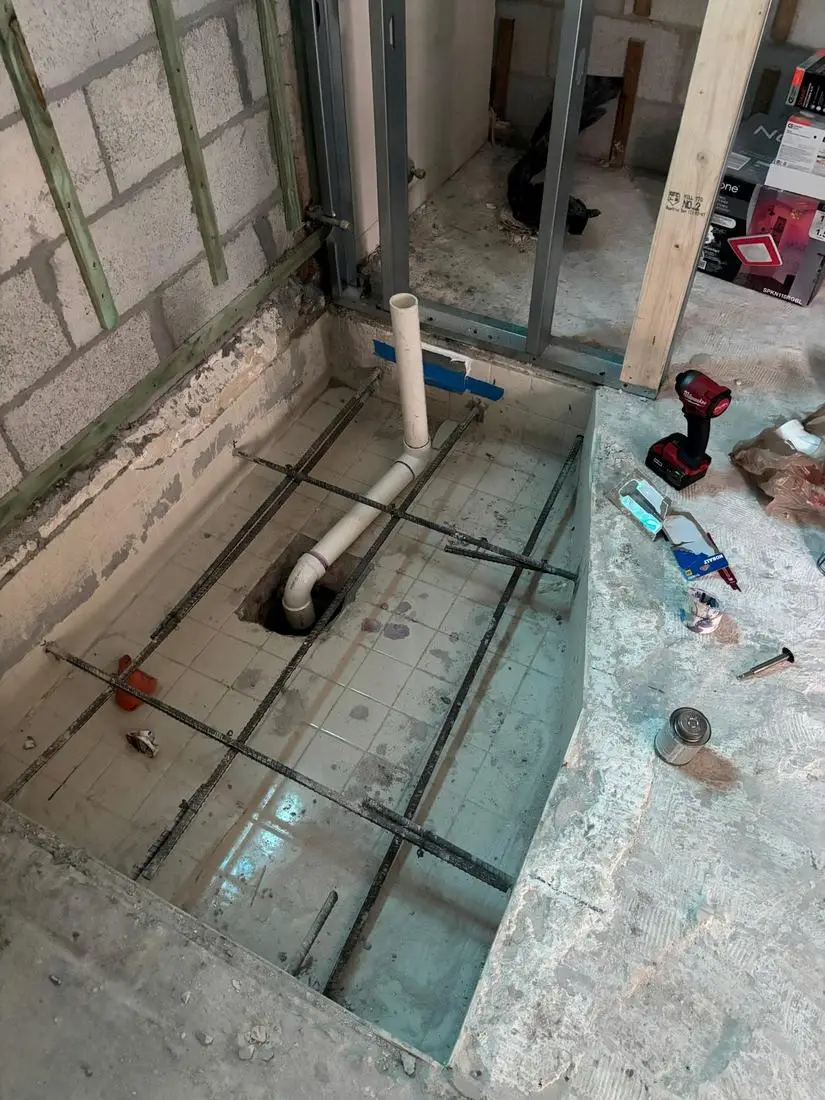
Leak Detection & Slab Leaks
Water bill up for no reason? We trace hidden leaks in walls and under the slab before anything gets opened.
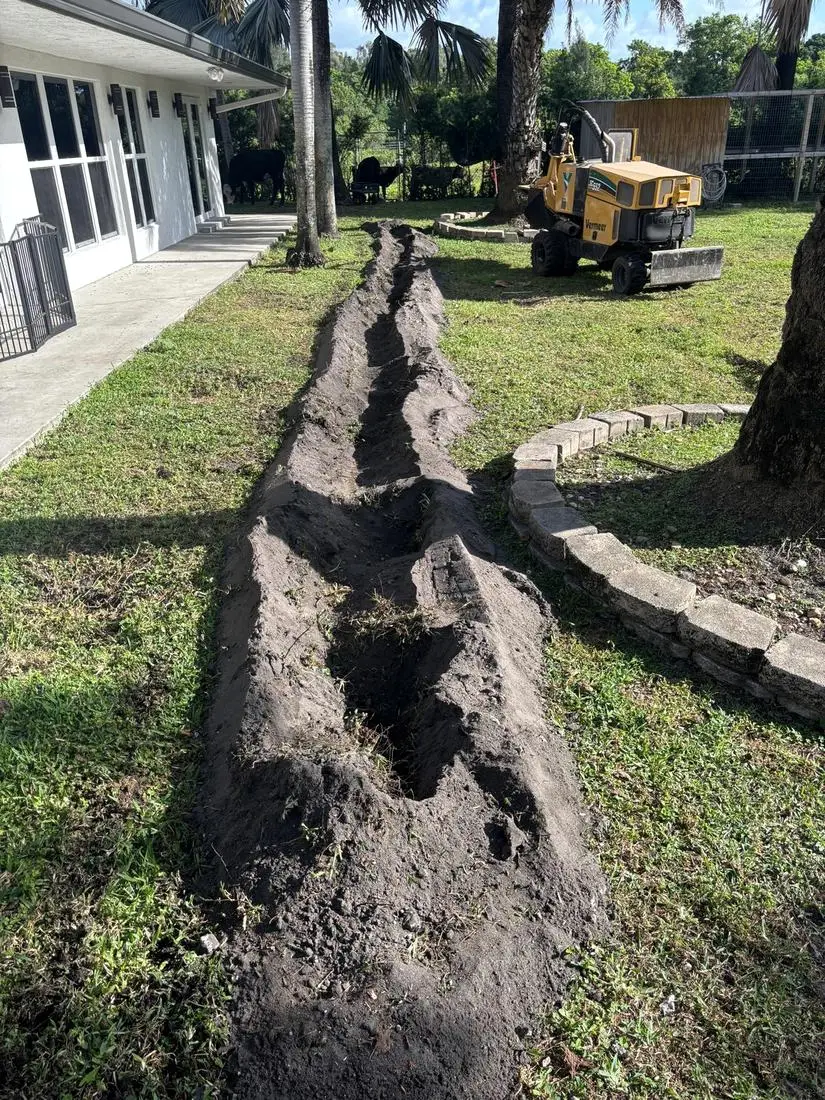
Sewer Line Repair & Camera Inspection
Roots, cracks and sagging pipe in the line to the street, seen on camera and repaired by digging or trenchless methods.
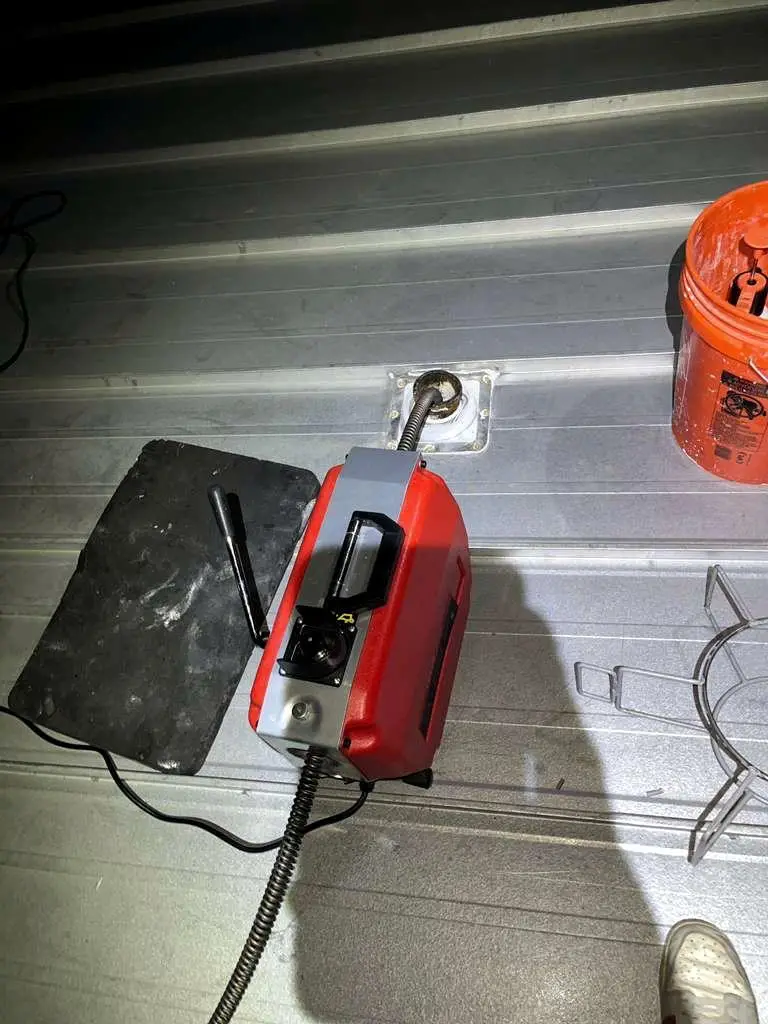
Drain Cleaning & Hydro Jetting
From one slow sink to a main line backing into the tub, cleared with a cable machine or hydro jetting.
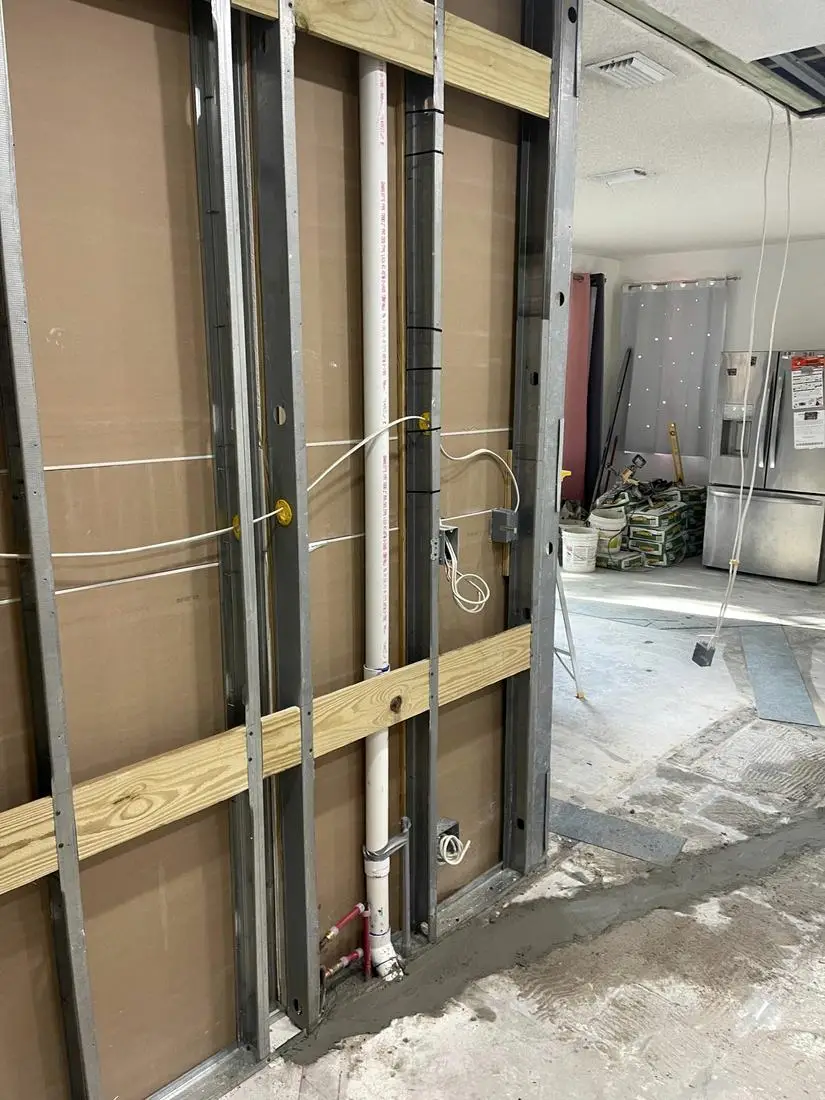
Burst & Broken Pipe Repair
Split supply line, a pipe broken by a shovel or a flex hose that let go: we cut out the damage and restore water.