

Backflow prevention and sump pumps in West Park, FL
Both jobs keep water from going where it shouldn’t: a backflow preventer stops sprinkler or pool water from being pulled back into your drinking supply, and a sump pump moves storm water away from the house. Call (954) 837-9630 and we repair or install the one you need.
- Backflow preventers
- Sump pumps
- Florida license CFC1433655
What backflow is and why your water utility cares
Your water normally flows one way, from the street into the house. If pressure in the city main drops, during a main break or heavy firefighting nearby, water can be pulled backward. A hose left in a pool, a sprinkler system that feeds fertilizer, or a hose sitting in a bucket of cleaner can then siphon dirty water into the pipes you drink from.
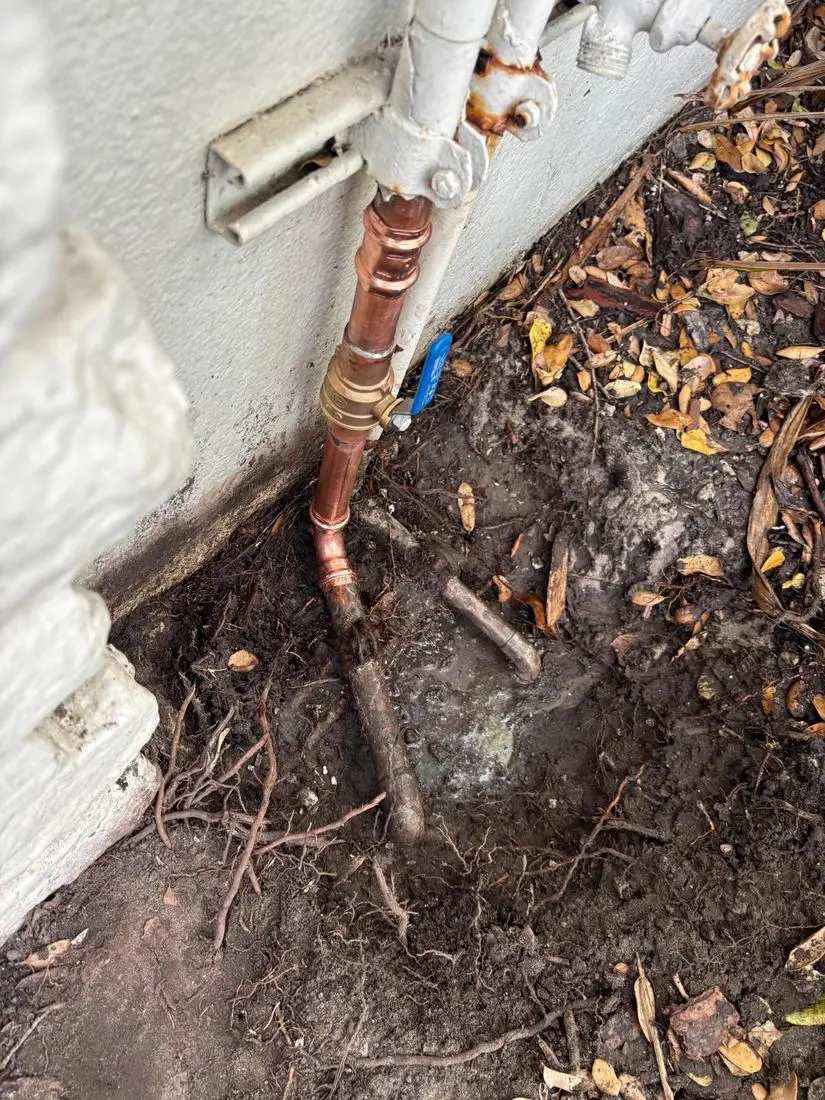
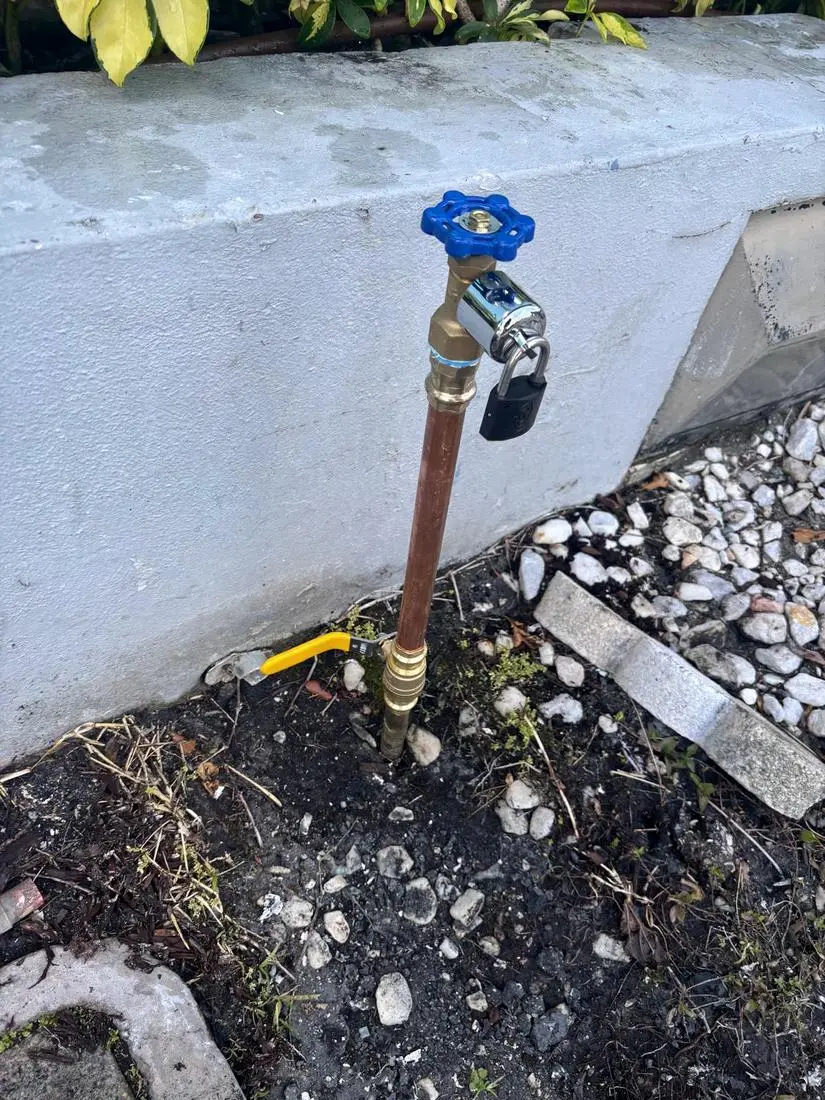
A backflow preventer is a valve assembly that only lets water move in one direction. Sprinkler systems are the most common place you’ll see one on a house, usually a brass assembly standing up out of the ground beside an outside wall. Utilities can require them on certain connections and send notices about periodic testing.
What you get when we handle Backflow & sump pumps
Drinking water kept separate
A working preventer keeps sprinkler, pool and hose water from reversing into the supply your kitchen faucet draws from.
Leaking or failed assemblies repaired
Backflow assemblies have springs, checks and seals that wear out. A leaking relief port or a body cracked by years of sun can be repaired, or the unit replaced.
Sump pumps that keep up with Florida rain
A pump chosen for a summer downpour, with its discharge sent where the water drains away from the foundation instead of back toward it.
Float switch and check valve tested
Common sump pump failures are a float that sticks or a check valve that lets water fall back. Both get tested with water before the job is called done.
Backflow preventers on sprinkler and pool lines
Lawn sprinklers are everywhere in West Park and the cities around it, and every system tied into city water is a possible path for backflow. The assembly beside the house takes full sun, summer rain and the occasional bump from a mower. Signs of trouble are water spitting from the relief valve, a steady drip, or a sprinkler system that won’t hold pressure.
Where sump pumps work in South Florida homes
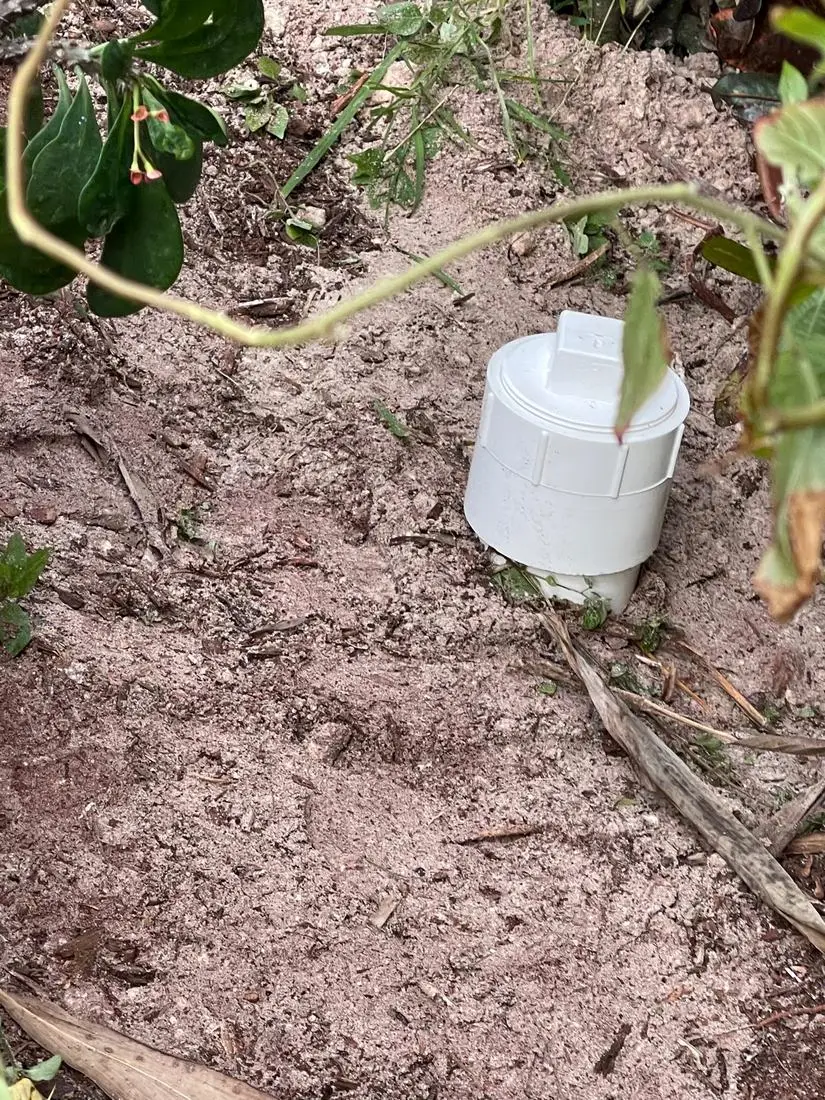
Few houses here have basements, so a sump pump does different work: draining a low side yard that floods every summer, a pit beside the pool equipment, a sunken patio or a utility area set below grade. With sandy soil, a high water table and heavy afternoon storms, the ground can stay saturated for days, and water collects at the lowest point near the house.
During hurricane season, the pump that only runs a few times a year is the one most likely to let you down when it’s needed. Pour a bucket of water into the pit before storm season and make sure the float rises and the pump empties it.
Water heading toward the house instead of away
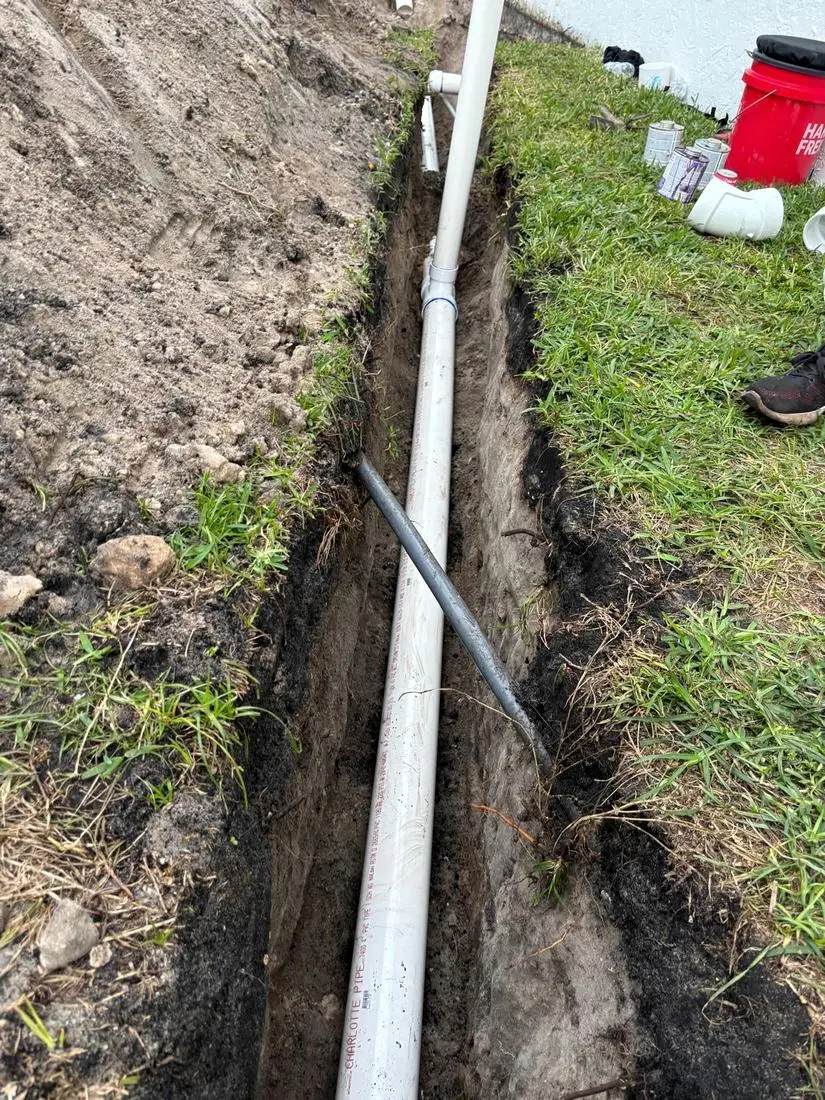
If rain water pools against an outside wall, seeps under a door or stands in a utility area after every storm, a pump with a discharge line to a spot where water can drain away, or to the street where that’s allowed, takes care of it.
What customers wrote on Google
5.0 on Google from 2 reviews.as of Read every review on Google
When I noticed water pooling under the sink, I wasn't sure what to do. The plumber arrived, took time to walk me through the issue, and handled the repair with real professionalism. He made sure I understood everything and left my place in better shape than when he arrived. I'd definitely call them again if I need plumbing work.
Had a drain backup that was driving me crazy. These guys showed up, figured out what was going on, and got it sorted out pretty quickly. No drama, just good work.
The team really knew their stuff. They found the source of the leak, fixed it properly, and left everything clean. I'm so glad I called them.
A selection of our 5-star reviews on Google.
Backflow Prevention & Sump Pumps: questions we hear
Does my house need a backflow preventer?
If you have an in-ground sprinkler system on city water, a pool fill line or certain other connections, your utility may require one. A letter from your water utility about backflow testing is the clearest sign. Call and tell us what’s connected, and we’ll explain what applies.
Why is my backflow preventer leaking?
Usually a worn check or seal, debris holding a check open, or a relief valve doing its job because the pressure changed. A body that cracked from age or sun is another frequent cause. A steady leak wastes water and can mean the device isn’t protecting the supply.
Can a sump pump help a yard that floods every summer?
Often, yes, if the water collects in a low spot you can drain from. A pit at the lowest point, a pump with a float switch and a discharge line to where water can run off keep that area from standing in water for days after a storm.
What should I check on my sump pump before hurricane season?
Fill the pit with water and watch the float lift and the pump empty it. Check that the discharge line is clear and runs away from the house. If the pump shares a circuit with other equipment, a dedicated outlet is worth thinking about before a storm hits.
Is backflow the same thing as a sewer backup?
No. Backflow is supply water being pulled the wrong way into your drinking pipes. A sewer backup is waste coming up through your drains. They need different fixes: a backflow preventer for the first one, and sewer line work for the second one.
Tell us about your backflow device or sump pump
Three short steps and your number. A plumber reads it and calls you back to talk it through.
Water running right now? Skip the form and call (954) 837-9630
Jobs that often come with this one
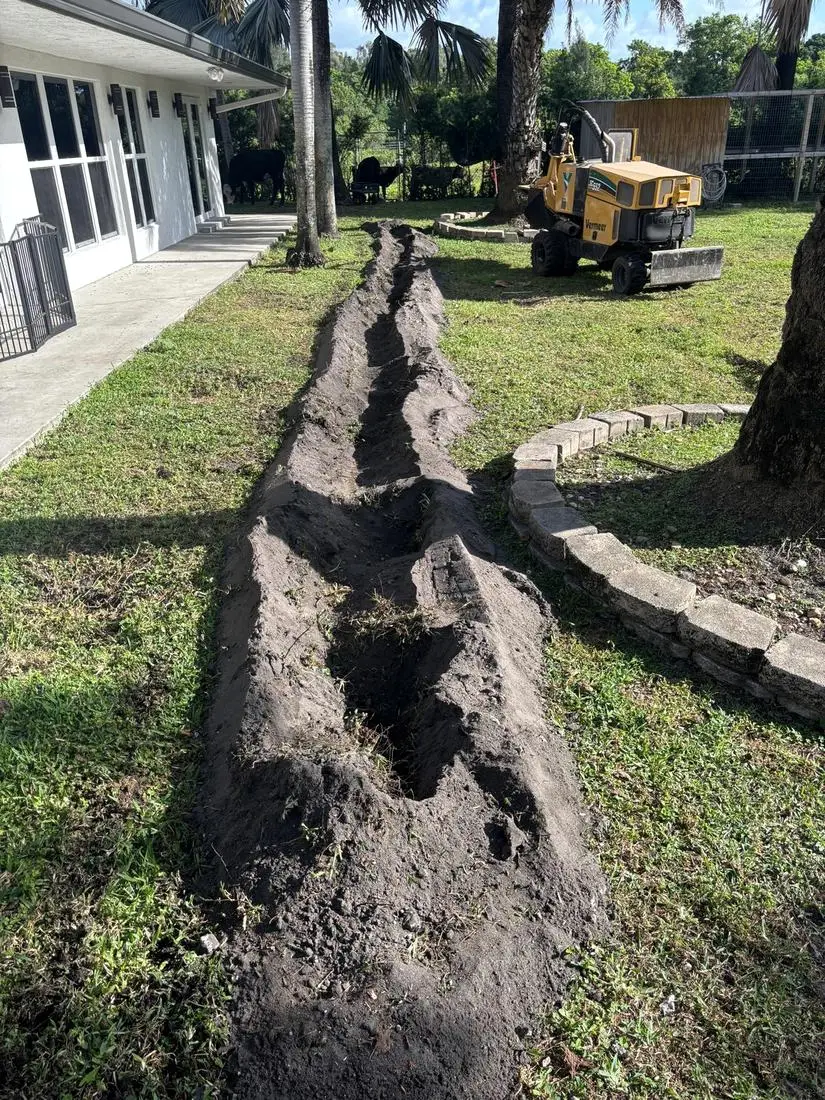
Sewer Line Repair & Camera Inspection
Roots, cracks and sagging pipe in the line to the street, seen on camera and repaired by digging or trenchless methods.
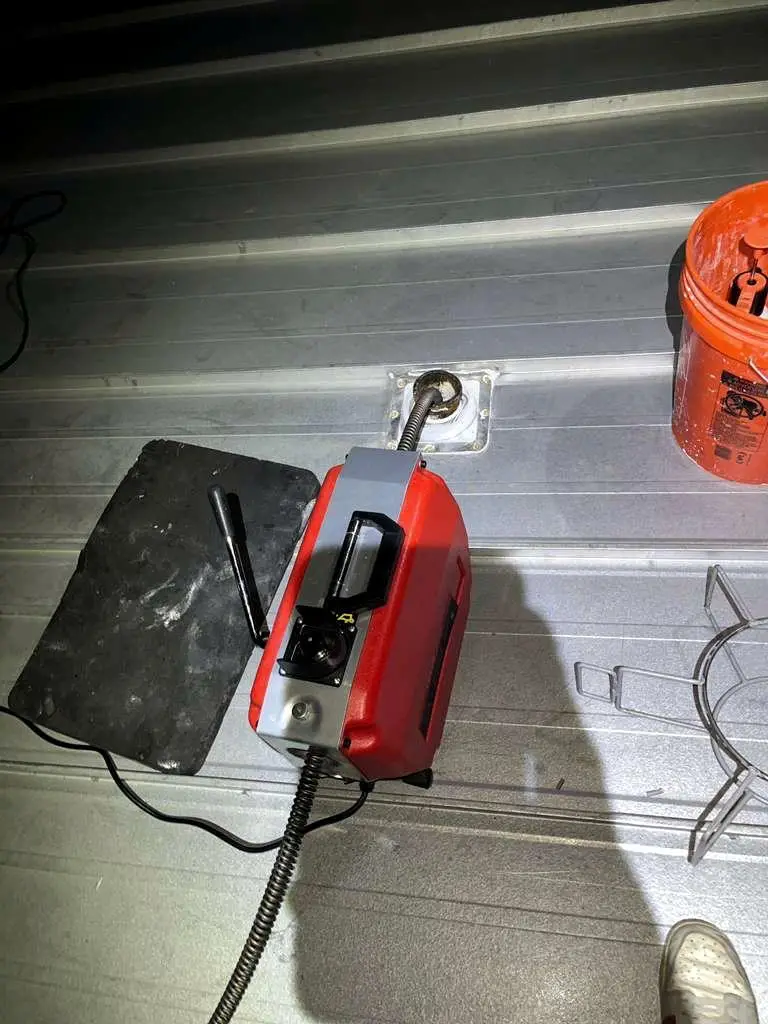
Drain Cleaning & Hydro Jetting
From one slow sink to a main line backing into the tub, cleared with a cable machine or hydro jetting.
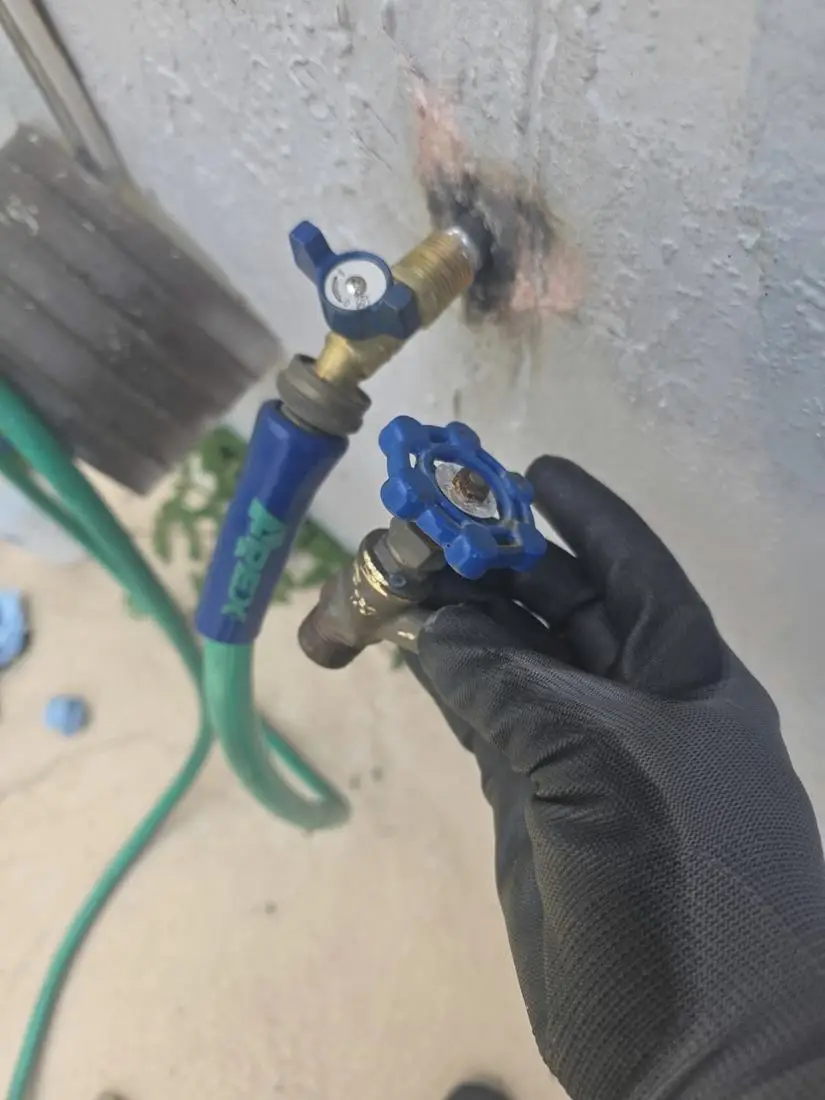
24/7 Emergency Plumbing
Burst pipe, sewage backup or water where it shouldn’t be, at night or on a Sunday: call and we start with the shutoff.